
Curious about what your customers really think of their interactions with your brand? Experience surveys are the key to opening up these valuable insights. These powerful tools are changing how businesses understand and improve customer satisfaction, offering a direct line to the thoughts, feelings, and preferences of those who matter most: your customers.
Experience surveys are questionnaires designed to gather feedback from customers about their interactions with a company's products, services, or overall brand experience. These surveys go beyond simple yes/no questions, diving deep into the customer's journey to uncover valuable insights that can drive meaningful improvements.
The Anatomy of an Experience Survey
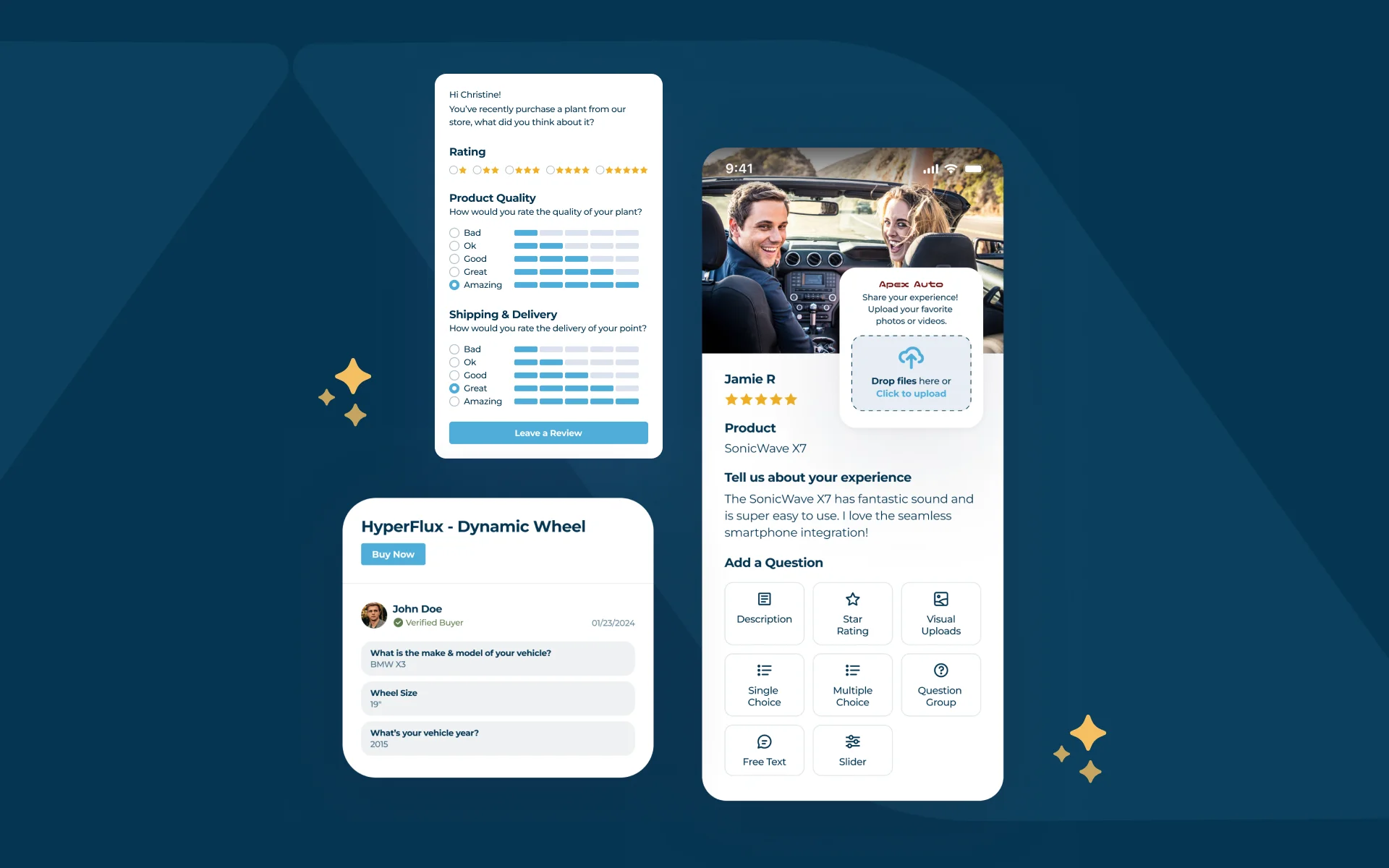
At its core, an experience survey aims to capture the voice of the customer. It typically includes a mix of question types:
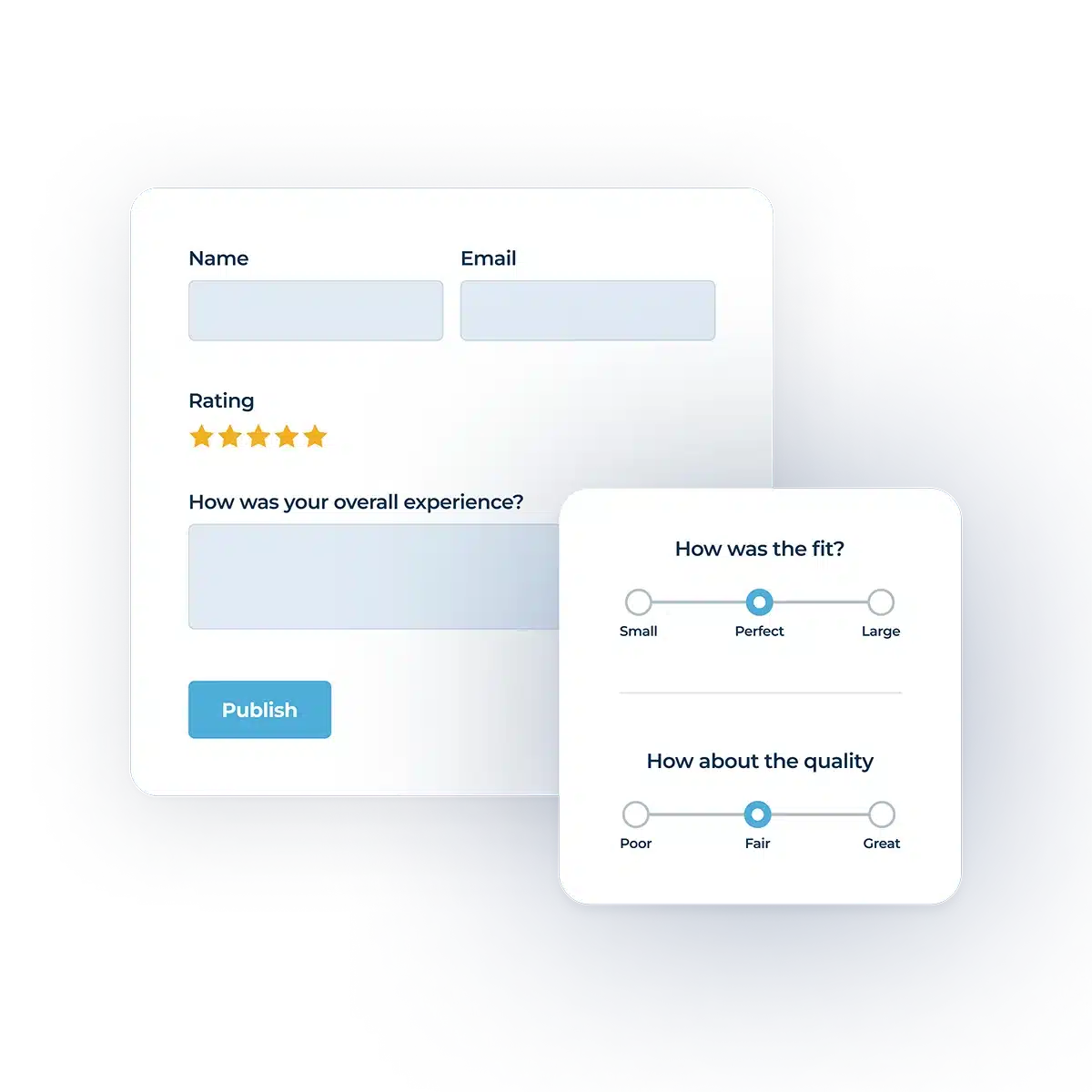
- Rating scales (e.g., 1-10 or 1-5 star ratings)
- Multiple choice questions
- Open-ended text responses
These questions are carefully crafted to evaluate various aspects of the customer experience, such as:
- Product satisfaction
- Service quality
- Ease of use
- Overall satisfaction
- Likelihood to recommend (Net Promoter Score)
Why Experience Surveys Matter
In a competitive market, understanding your customers isn't just nice to have. It's essential for survival and growth. Here's why experience surveys are critical:
Identify pain points: Surveys help pinpoint areas where your business may be falling short, allowing you to address issues before they escalate.
Measure customer loyalty: By gauging satisfaction and likelihood to recommend, you can predict future customer behavior and retention rates.
Drive improvements: Feedback from surveys provides actionable insights to enhance products, services, and overall customer experience.
Personalize experiences: Understanding individual preferences allows you to tailor your offerings and communication to each customer's needs.
Boost word-of-mouth marketing: Happy customers are more likely to share their positive experiences, driving organic growth.
Types of Experience Surveys
Different stages of the customer journey call for different types of experience surveys:
Post-Purchase Surveys
Sent immediately after an order is received to gauge initial satisfaction, identify any immediate issues, collect testimonials, and capture user-generated content. These surveys are perfect for capturing the excitement and first impressions of new customers.
Customer Satisfaction (CSAT) Surveys
Measure overall satisfaction with a product or service. These surveys typically use a simple rating scale (e.g., "How satisfied are you with your purchase?") and provide a quick pulse check on customer sentiment.
Net Promoter Score (NPS) Surveys
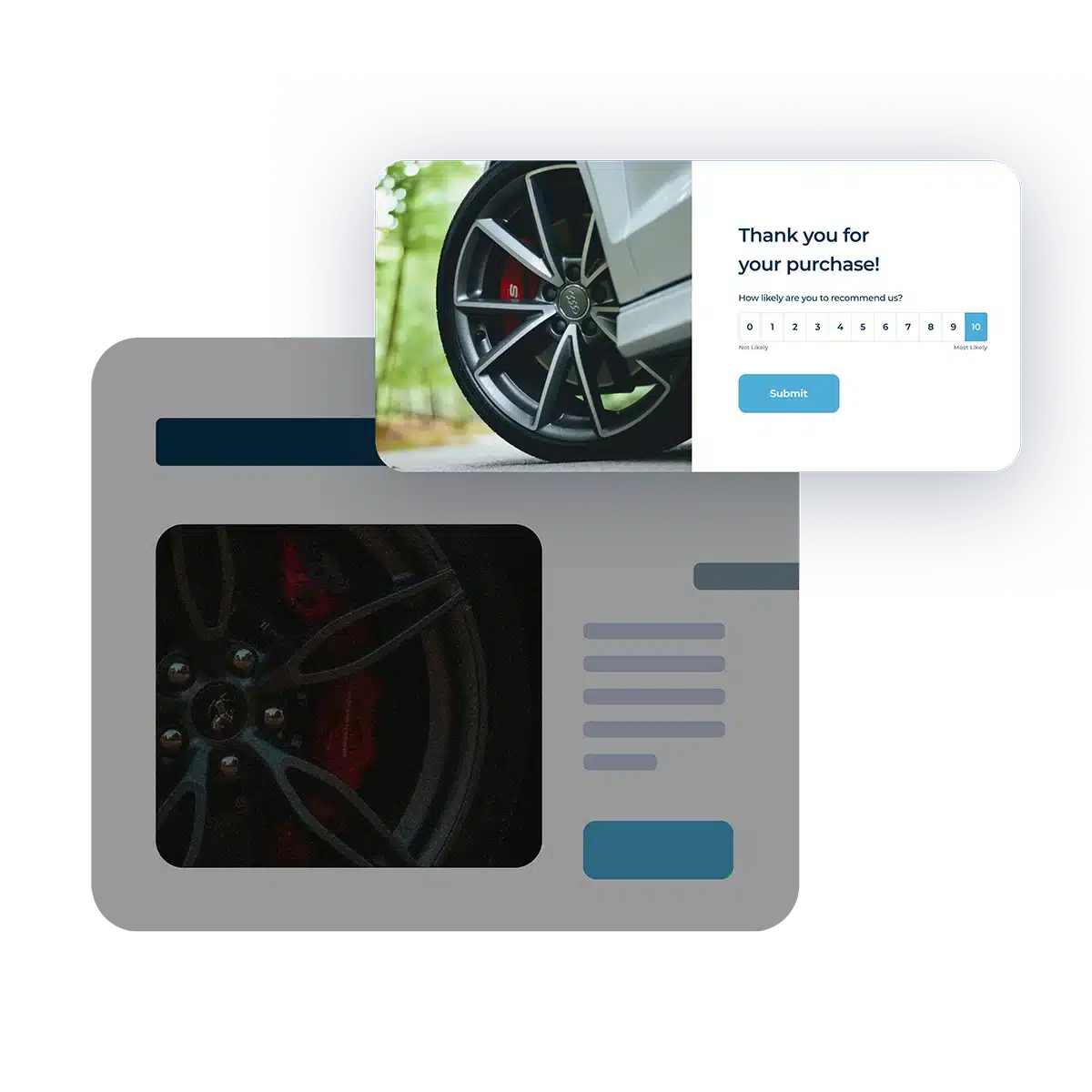
Assess customer loyalty and likelihood to recommend your brand. The classic NPS question asks customers to rate on a 0-10 scale how likely they are to recommend your company to a friend or colleague. This metric helps you identify promoters, passives, and detractors.
Customer Effort Score (CES) Surveys
Evaluate how easy it was for a customer to accomplish a specific task or resolve an issue. These surveys focus on reducing friction in the customer journey and are particularly valuable for identifying usability issues.
Long-Form Feedback Surveys
In-depth questionnaires that dig into various aspects of the customer experience. These comprehensive surveys provide rich qualitative data but require more time from customers, so they're best used selectively.
Crafting Effective Experience Surveys
Creating a survey that yields valuable insights requires careful planning and execution. Here are some best practices:
Keep It Concise
Respect your customers' time by focusing on the most critical questions. Aim for 5-10 questions that can be completed in 2-3 minutes. Shorter surveys have higher completion rates and reduce survey fatigue.
Use Clear, Simple Language
Avoid jargon and complex phrasing that might confuse respondents. Write questions as if you're having a conversation with a friend: clear, direct, and easy to understand.
Mix Question Types
Combine rating scales with open-ended questions to get a complete picture. Rating scales provide quantitative data for tracking trends, while open-ended questions capture the "why" behind the numbers.
Personalize When Possible
Use customer data to tailor questions and make the survey feel more relevant. For example, reference the specific product they purchased or the service interaction they had. Personalization increases engagement and response quality.
Time It Right
Send surveys at appropriate intervals in the customer journey for the most accurate feedback. For post-purchase surveys, wait 7-14 days after delivery so customers have time to use the product. For support interactions, send immediately after the issue is resolved.
Mobile-Optimize
Ensure your survey is easy to complete on smartphones and tablets. Most customers will open surveys on mobile devices, so responsive design is essential for high completion rates.
Follow Up
Act on the feedback you receive and communicate changes to your customers. When customers see that their feedback leads to real improvements, they're more likely to participate in future surveys.
Leveraging Technology for Better Surveys
Modern survey tools have transformed the way businesses collect and analyze customer feedback. Platforms like RaveCapture offer advanced features that improve the experience survey process:
Automated campaigns: Trigger surveys based on specific customer actions or time intervals, ensuring you capture feedback at the optimal moment.
Multi-channel distribution: Reach customers via email, SMS, or in-app notifications, meeting them where they're most likely to respond.
Real-time analytics: Get instant insights as responses come in, allowing you to identify and address issues quickly.
Integration capabilities: Connect survey data with your CRM and other business tools for a complete view of the customer, enabling data-driven decision making.
Beyond Traditional Surveys: The Rise of Visual Feedback
As customer expectations evolve, so do the methods of collecting feedback. Visual experience surveys are gaining traction, allowing customers to share photos and videos alongside their written responses. This user-generated content provides richer context and can be repurposed for marketing efforts, creating a win-win situation for both businesses and customers.
Visual feedback is particularly powerful for ecommerce brands because it:
- Shows products in real-world use
- Captures authentic customer experiences
- Provides social proof for future customers
- Creates shareable content for marketing campaigns
The Bottom Line: Listen, Learn, and Grow
Experience surveys are more than just a way to collect data. They're a direct line to the heart of your customer base. By consistently seeking and acting on customer feedback, you create a cycle of continuous improvement that can set your business apart in a crowded marketplace.
Remember, the goal isn't just to conduct surveys. It's to build stronger relationships with your customers. Each survey response is an opportunity to show your customers that their voice matters and that you're committed to delivering the best possible experience.
Start Listening to Your Customers Today
Ready to tap into the power of experience surveys? RaveCapture's experience survey platform makes it easy to create, send, and analyze customer feedback that drives real business improvements.
With RaveCapture, you can:
- Design beautiful, on-brand surveys with an intuitive builder
- Automatically trigger surveys at the perfect moment in the customer journey
- Collect photos, videos, and rich multimedia feedback
- Analyze responses in real-time alongside customer profiles and purchase data
- Turn customer feedback into actionable insights that drive growth
Your customers have stories to tell. It's time to start listening. Begin collecting valuable customer insights with experience surveys today.


